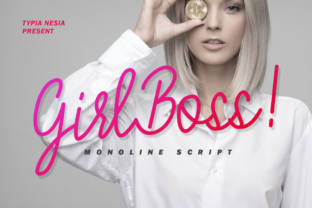
Girl Boss: A Strategic Font for Impactful Design and Branding
Girl Boss is more than just a font—it's a design tool that can elevate your brand, communicate confidence, and make your message stand out in a crowded digital landscape. As a romantic and dynamic script font, it carries a unique energy that blends elegance with strength. This makes it particularly valuable for professionals, entrepreneurs, and creatives looking to convey authority while maintaining an approachable and aspirational tone.
Understanding the Strategic Value of Girl Boss
Font choice is not arbitrary; it influences perception, readability, and emotional response. Girl Boss, with its flowing curves and bold presence, is ideal for situations where you want to project leadership, creativity, and a touch of personal flair. Whether used in branding materials, marketing collateral, or digital content, it adds a layer of personality that generic sans-serif fonts often lack.
For instance, if you're launching a new product line aimed at professional women or creating content around empowerment and innovation, Girl Boss can serve as a visual anchor that reinforces your message. It’s not just about aesthetics—it's about aligning your visual identity with your strategic goals.
When to Use Girl Boss Strategically
- Brand Identity: Incorporate Girl Boss into logos, taglines, or packaging to create a memorable and distinctive brand image.
- Marketing Materials: Use it in headlines, social media posts, or promotional banners to capture attention and convey confidence.
- Creative Projects: Ideal for blog headers, website titles, or creative portfolios that aim to showcase originality and vision.
- Presentations and Reports: Add a touch of sophistication to slides or reports that require a balance between professionalism and approachability.
However, it's crucial to consider context. Girl Boss may not be suitable for all scenarios. For example, in technical documentation or formal legal documents, its stylized appearance could compromise clarity. Always assess whether the font supports the intended purpose and audience expectations.
Planning Your Use of Girl Boss
Before integrating Girl Boss into your design strategy, ask yourself several key questions:
- What is the primary goal of this design? Is it to inform, persuade, or inspire?
- Who is the target audience? Does the font resonate with their values and preferences?
- How does this font align with my overall brand voice and visual identity?
- Will the font enhance or detract from the message I want to convey?
These considerations ensure that your use of Girl Boss is intentional rather than random. For example, if you're targeting a younger demographic interested in self-improvement and entrepreneurship, Girl Boss can reinforce themes of ambition and success. However, if your brand leans toward minimalism or traditional professionalism, it might be better suited for accent elements rather than primary text.
Strategic Tips for Effective Use
Here are some practical strategies to maximize the impact of Girl Boss:
- Use it sparingly: Reserve Girl Boss for headings, titles, or call-to-action buttons. Overuse can lead to visual clutter and reduce readability.
- Pair with complementary fonts: Combine Girl Boss with a clean sans-serif font for body text to maintain balance and hierarchy.
- Consider color and contrast: Choose colors that complement the font's style—deep blues, rich reds, or metallic tones often work well.
- Test across platforms: Ensure that the font displays correctly on different devices and screen sizes. Avoid using it in contexts where it might not render properly.
By following these guidelines, you can ensure that Girl Boss enhances rather than overwhelms your design. The key is to let the font support your message, not overshadow it.
Risks of Using Girl Boss Without Strategy
While Girl Boss has a lot to offer, using it without clear goals or context can lead to misalignment with your brand or audience. Here are some potential risks to be aware of:
- Misinterpretation: The romantic and dynamic nature of Girl Boss might be misunderstood or perceived as unprofessional in certain industries or cultures.
- Readability Issues: Script fonts can be challenging to read, especially in smaller sizes or low-resolution formats. Always test for legibility.
- Inconsistent Branding: If not used consistently across all touchpoints, it can create confusion or dilute your brand identity.
- Limited Versatility: While beautiful, Girl Boss may not be appropriate for every type of content or medium. Be selective in its application.
To avoid these pitfalls, always align your font choices with your brand’s core values, audience expectations, and communication objectives. Let your design decisions be guided by purpose, not just preference.
Integrating Girl Boss Into Long-Term Branding Strategies
Girl Boss can be a powerful component of a long-term branding strategy when used thoughtfully. Consider how it can evolve alongside your brand over time. For example:
- Consistency: Use it consistently in all branded materials to build recognition and reinforce your brand’s visual identity.
- Adaptability: As your brand grows, ensure that Girl Boss remains relevant and continues to reflect your evolving mission and values.
- Feedback Loop: Gather feedback from your audience and stakeholders to assess how effective your use of the font is in conveying your message.
This ongoing evaluation ensures that your brand stays fresh, relevant, and aligned with both internal goals and external perceptions.
Final Thoughts on Strategic Font Selection
Choosing the right font is a critical part of any design or branding strategy. Girl Boss offers a unique blend of romance and dynamism that can set your work apart. However, its effectiveness depends on how strategically it is used. By aligning it with your goals, planning carefully, and considering your audience, you can leverage Girl Boss to create designs that are not only visually striking but also functionally effective.
Remember, the best fonts are those that serve a purpose. Girl Boss is no exception. When used intentionally, it can become a valuable asset in your creative toolkit, helping you achieve better results and stand out in a competitive market.