Gracelove: A Stylish Script Font for Fashion and Editorial Design
Gracelove is a beautifully balanced and stylish script font that has gained attention for its smooth curves and elegant appearance. Designed to blend sophistication with readability, it offers a versatile option for creative professionals working in fashion branding or editorial design. This article explores what Gracelove is, when it might be the right choice, and what users should consider before incorporating it into their projects.
What Is Gracelove?
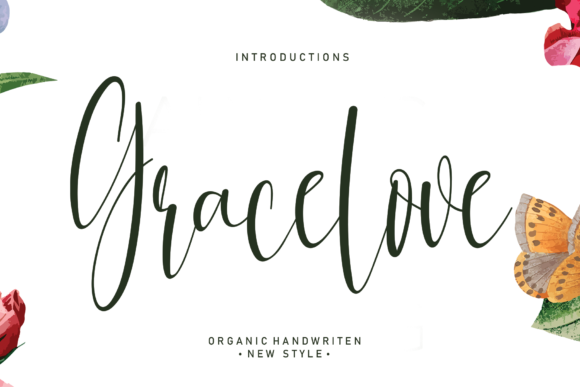
Gracelove is a script font characterized by its flowing, cursive style and carefully crafted letterforms. Unlike more ornate or decorative scripts, it maintains a sense of balance and proportion, making it suitable for both formal and modern applications. Its smooth curves and consistent stroke weights give it a refined look that can enhance visual communication without overwhelming the reader.
The font is particularly well-suited for use in contexts where elegance and legibility are important. It is available in various formats, including web-safe versions and downloadable packages for desktop use, allowing designers to integrate it seamlessly into different types of projects.
Why Consider Gracelove?
There are several reasons why someone might be interested in using Gracelove:
- Elegant aesthetics: The font’s smooth curves and balanced structure make it visually appealing, especially in high-end fashion or lifestyle branding.
- Readability: Compared to more elaborate script fonts, Gracelove retains a level of clarity that makes it easier to read at smaller sizes.
- Versatility: It works well in a variety of design contexts, from logos and headlines to editorial layouts and packaging.
- Modern appeal: The font’s clean lines and contemporary feel align with current design trends, making it a popular choice among designers looking for something fresh yet classic.
Benefits of Using Gracelove
One of the main benefits of Gracelove is its ability to convey a sense of sophistication without sacrificing functionality. In fashion branding, for example, it can help create a cohesive and stylish identity that resonates with target audiences. Similarly, in editorial design, it can add a touch of elegance to headlines or feature titles without distracting from the content.
Another advantage is its adaptability. Gracelove can be used in both digital and print formats, and its availability in multiple weights and styles allows for greater flexibility in design. This makes it a practical choice for designers who need a font that can scale across different platforms and mediums.
Tradeoffs and Considerations
While Gracelove has many strengths, there are also some factors to consider before deciding to use it:
- Limited use cases: Due to its script nature, Gracelove may not be the best choice for long blocks of text or body copy, where a sans-serif or serif font would be more appropriate.
- Font licensing: Like most premium fonts, Gracelove may require a license for commercial use. Users should ensure they have the proper rights to use it in their projects.
- Compatibility: Depending on the platform or software being used, Gracelove may not render consistently across all devices or browsers. Testing is recommended before finalizing a design.
Situations Where Gracelove Is a Strong Fit
Gracelove shines in specific scenarios where a touch of elegance and style is desired. These include:
- Fashion branding: Logos, taglines, and promotional materials for fashion brands can benefit from the font’s sophisticated and modern look.
- Editorial design: Magazine covers, feature articles, and lifestyle content often use script fonts to add visual interest and personality.
- Packaging design: Product labels, gift wrap, and luxury packaging can take advantage of Gracelove’s refined aesthetic to enhance brand perception.
- Wedding and event invitations: The font’s graceful appearance makes it ideal for creating elegant and memorable invitations.
When Alternatives May Be Worth Considering
While Gracelove is a strong choice for many applications, there are situations where other fonts may be more appropriate. For instance:
- For body text: If the project requires large amounts of readable text, a serif or sans-serif font may be a better option to ensure legibility.
- In highly technical or formal contexts: In industries such as finance, legal, or scientific publishing, a more traditional or professional font may be preferred over a script typeface.
- For multilingual projects: Some script fonts may not support a wide range of languages or characters, which could be a limitation depending on the project’s requirements.
Practical Decision-Making Insights
Before choosing Gracelove, it’s important to evaluate how well it aligns with the overall goals of the project. Consider the following questions:
- Does the font match the brand’s identity and tone?
- Will it be used for headings, logos, or body text?
- Is it compatible with the design tools and platforms being used?
- Are there any licensing or usage restrictions that need to be addressed?
By answering these questions, designers can make an informed decision about whether Gracelove is the right fit for their needs. It’s also a good idea to test the font in different contexts and sizes to ensure it performs well across all intended uses.
In conclusion, Gracelove is a well-balanced and stylish script font that can elevate the visual appeal of a wide range of design projects. While it may not be suitable for every situation, it offers a compelling combination of elegance, readability, and versatility that makes it a valuable addition to any designer’s toolkit. By carefully evaluating its strengths and limitations, users can determine whether it aligns with their creative goals and helps them achieve the desired impact in their work.