Letter Lisa: Elevating Design with Sophisticated Elegance
In the vast landscape of digital typography, finding a typeface that strikes the perfect balance between readability and high-end aesthetics can feel like searching for a needle in a haystack. While many fonts claim to be stylish, few possess the refined character required to elevate a brand or a personal project without overwhelming the viewer. This is where Letter Lisa enters the conversation. It is not merely a font; it is a statement of intent, designed for those who understand that every pixel contributes to the overall narrative of their work.
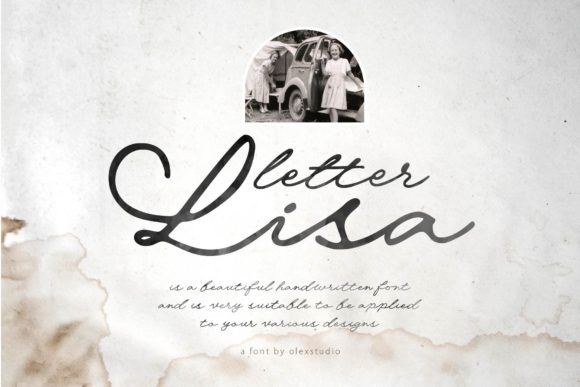
Letter Lisa is a chic, refined script font that emanates sophistication and elegance. Its stylish alternates and ligatures make this font the perfect match for any project requiring a touch of luxury or a personal, handwritten feel. But beyond its visual appeal, what makes this typeface a practical choice for professionals, creators, and business owners alike? Let us explore the nuances of this design tool and how it can transform your content strategy.
The Essence of Letter Lisa
At its core, Letter Lisa is built on the principles of modern calligraphy blended with contemporary design sensibilities. Unlike rigid serif or sans-serif fonts that demand attention through structure, Letter Lisa invites the reader in with fluidity and grace. The strokes vary naturally, mimicking the movement of a pen across paper, yet they remain legible enough for extended reading or prominent display.
What truly sets this font apart is its attention to detail. The designers have curated a comprehensive set of stylistic alternatives. These are not random variations but carefully crafted options that allow you to customize the flow of text. For instance, certain letters might feature a more pronounced swash when followed by specific characters, creating a seamless connection that feels organic rather than forced. This level of control is essential for anyone looking to create bespoke branding materials.
Understanding Ligatures and Alternates
One of the most significant advantages of using Letter Lisa is the inclusion of extensive ligatures. In typography, a ligature is a combination of two or more letters into a single glyph. In script fonts, these are crucial for preventing awkward gaps or collisions between characters. With Letter Lisa, common letter pairs automatically connect in a way that looks natural, enhancing the cursive flow.
Beyond standard ligatures, the font offers a wide range of stylistic alternates. These allow you to swap out default glyphs for more decorative versions. Imagine writing a wedding invitation where the capital "L" has an elaborate flourish, while the lowercase "l" remains simple and elegant. This flexibility ensures that the text never feels repetitive or monotonous, adding a layer of depth that standard fonts simply cannot achieve.
Who Benefits from This Typography?
The versatility of Letter Lisa means it serves a diverse array of users. Whether you are a small business owner crafting a logo or a graphic designer working on a magazine layout, understanding who benefits most from this font helps you decide if it fits your specific needs.
- Wedding and Event Planners: For invitations, menus, and signage, the romantic and formal nature of Letter Lisa is unmatched. It conveys a sense of occasion and care that guests immediately appreciate.
- Fashion and Beauty Brands: Companies selling luxury goods often rely on typography that suggests exclusivity. The sleek lines of Letter Lisa align perfectly with high-end packaging and advertising campaigns.
- Creative Professionals: Bloggers, illustrators, and artists use this font to add personality to their portfolios. It acts as a signature element, distinguishing their work from generic templates.
- Corporate Communications: While often associated with casual scripts, a refined font like Letter Lisa can be used sparingly in corporate contexts for headers or quotes to humanize a brand voice.
The common thread among these groups is a desire for sophistication. They are not looking for something loud or aggressive; they want something that whispers quality. Letter Lisa delivers exactly that.
Practical Applications in Real-World Scenarios
To truly appreciate the value of Letter Lisa, it helps to visualize how it functions in different environments. Typography is rarely used in isolation; it interacts with images, colors, and whitespace to create a cohesive message.
Consider a scenario where a boutique coffee shop is rebranding. They need a new menu board that reflects their artisanal approach. Using a bold sans-serif might feel too industrial, while a traditional serif could seem outdated. Letter Lisa, however, bridges the gap. By using it for the drink names and pairing it with a clean body font for descriptions, the menu becomes both readable and visually enticing. The ligatures ensure that words like "Espresso" or "Latte" flow beautifully, reinforcing the idea of smoothness and quality.
Another powerful application is in digital marketing. Email newsletters often suffer from being overly transactional. Inserting a headline in Letter Lisa can instantly shift the tone from "buy now" to "welcome to our community." When used on social media graphics, the font stands out in crowded feeds because it offers a texture that flat vector designs lack. It adds a human touch to digital spaces, which is increasingly important as consumers crave authenticity.
Evaluating Suitability and Limitations
While Letter Lisa is a powerful tool, it is not a universal solution. Every font has its strengths and limitations, and understanding them is key to using it effectively. The primary consideration when adopting this script is legibility. Script fonts are inherently less readable than block letters, especially at small sizes or on low-resolution screens.
Therefore, the golden rule of using Letter Lisa is moderation. It should be used for headlines, accents, logos, or short phrases rather than long paragraphs of body text. Attempting to read a full article composed entirely of Letter Lisa would likely result in eye strain and disengagement. Instead, treat it as the star of the show, letting other fonts play the supporting role.
Additionally, compatibility with other fonts is crucial. Because Letter Lisa is so distinctive, it requires a neutral partner. A simple geometric sans-serif or a classic serif usually works best to ground the design. If you pair it with another decorative font, the result can become chaotic and difficult to parse. Always test your combinations to ensure they complement rather than compete.
Making the Right Choice
When evaluating whether Letter Lisa is right for your next project, ask yourself a few critical questions. Does the project require a personal or emotional connection? Is the audience expecting a premium or artistic experience? If the answer is yes, then the sophisticated nature of this font is likely a strong fit.
However, if your goal is to convey urgency, technical precision, or mass-market accessibility, you might find that a more straightforward typeface serves your purpose better. There is no shame in choosing a utilitarian font when the situation demands it. The art of design lies in knowing when to let the typography shine and when to let it fade into the background.
Maximizing the Potential of Your Design
Ultimately, Letter Lisa is about more than just picking a pretty font. It is about curating an experience. By leveraging its stylish alternates and ligatures, you can create custom text that feels unique to your brand. This customization is what separates professional-grade designs from amateur efforts.
For the modern creator, having access to a font with such character provides a competitive edge. It allows you to communicate complex emotions through simple visual cues. Whether you are designing a logo that will appear on a storefront or a header that tops a blog post, Letter Lisa offers the refinement needed to leave a lasting impression.
As you move forward with your projects, keep in mind that good design is intentional. Do not choose Letter Lisa simply because it looks nice; choose it because it aligns with the message you wish to convey. When used with purpose, this chic and refined script font becomes an indispensable asset in your creative toolkit, helping you tell stories that resonate with clarity and elegance.
In conclusion, Letter Lisa represents the intersection of art and utility. It is a font that understands the power of subtlety and the impact of style. For anyone seeking to elevate their visual communication, it offers a path toward sophistication that is both accessible and effective. Embrace its capabilities, respect its limitations, and watch as your designs gain the polish they deserve.