Shigutto Bofon: A Modern Script for Authentic Design
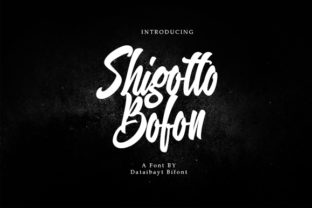
Shigutto Bofon is a script font that brings a unique blend of elegance and contemporary design to typography. Its flowing lines and subtle variations make it stand out as a choice for designers looking to add an authentic, handcrafted feel to their projects. Whether used in branding, web design, or print media, Shigutto Bofon offers a versatile yet distinctive visual identity.
Understanding Shigutto Bofon
Shigutto Bofon is not just another script font; it's a carefully crafted typeface that balances readability with artistic expression. The name itself suggests a connection to tradition and modernity, which is reflected in its design. Each letterform is designed to mimic the natural flow of handwriting while maintaining a level of consistency that ensures legibility across various mediums.
The font features a range of weights and styles, allowing designers to adapt it to different contexts. This flexibility makes it suitable for both minimalist and elaborate design projects. From logos to magazine layouts, Shigutto Bofon can be tailored to fit a wide array of creative needs.
Why Consider Shigutto Bofon?
Designers may be drawn to Shigutto Bofon for several reasons. First, its aesthetic appeal can enhance the visual storytelling of a project. The font's organic curves and rhythmic strokes create a sense of movement and emotion, making it ideal for content that aims to evoke a personal or artisanal feel.
Second, the font's versatility allows it to be used in multiple applications without losing its character. It can serve as a primary typeface for headings or as an accent in body text, depending on the designer's intent. Additionally, its compatibility with digital platforms ensures that it performs well on screens, which is crucial for web-based projects.
Finally, using Shigutto Bofon can help differentiate a brand or project from competitors. In a world where many fonts are similar, having a unique typographic voice can be a powerful tool in creating a memorable visual identity.
Benefits and Tradeoffs
One of the key benefits of Shigutto Bofon is its ability to convey authenticity. In an era where digital design often feels impersonal, this font can introduce a human element that resonates with audiences. Its hand-drawn qualities can be especially effective in niche markets such as handmade products, boutique brands, or creative industries.
However, there are tradeoffs to consider. Because it is a script font, it may not be the best choice for long-form text due to potential readability issues. It is more suited for short phrases, titles, or decorative elements rather than extensive body copy. Additionally, while it offers stylistic freedom, it requires careful use to avoid appearing cluttered or unprofessional in certain contexts.
Situations Where Shigutto Bofon Excels
Shigutto Bofon is particularly well-suited for projects that benefit from a touch of individuality. For instance, it works exceptionally well in branding for small businesses, artists, or independent creators who want to communicate a personal or artisanal message. Its fluidity also makes it a great option for invitations, greeting cards, and other forms of personal communication.
In web design, it can be used creatively in headers, call-to-action buttons, or as part of a larger typographic hierarchy. When paired with more structured sans-serif or serif fonts, it adds visual interest without overwhelming the layout. In print, it shines in editorial design, packaging, and promotional materials where a tactile, handcrafted look is desired.
When Alternatives May Be More Appropriate
While Shigutto Bofon has its strengths, there are situations where alternative fonts might be more appropriate. For example, in corporate or formal environments where clarity and professionalism are paramount, a clean sans-serif or serif font may be a better choice. These fonts are typically easier to read at smaller sizes and across different screen resolutions.
Additionally, if a project requires a high degree of accessibility, such as for users with visual impairments, a more legible font may be necessary. Script fonts like Shigutto Bofon, while visually appealing, can sometimes pose challenges in terms of readability, especially when used in large blocks of text.
Designers should also consider the target audience when choosing a font. If the audience is younger or more digitally savvy, they may be more receptive to the stylized look of Shigutto Bofon. However, if the audience prefers a more traditional or straightforward approach, a simpler font might be more effective.
Practical Decision-Making Insights
When deciding whether to use Shigutto Bofon, it's important to evaluate the specific goals of the project. Ask yourself: Does the font align with the tone and message of the content? Will it enhance the user experience or potentially confuse the audience? How does it interact with other design elements such as color, spacing, and imagery?
Testing the font in different contexts can also provide valuable insights. Try using it in mockups or prototypes to see how it performs in real-world scenarios. Pay attention to how it looks at various sizes and on different devices. This will help ensure that it meets both aesthetic and functional requirements.
Ultimately, the decision to use Shigutto Bofon should be based on a balance between creativity and practicality. While it can add a unique and authentic touch to a design, it must be used thoughtfully to maintain clarity and effectiveness. By considering these factors, designers can make informed choices that align with their goals and the needs of their audience.