Stephen Font: Elegant and Modern Script for Creative Projects
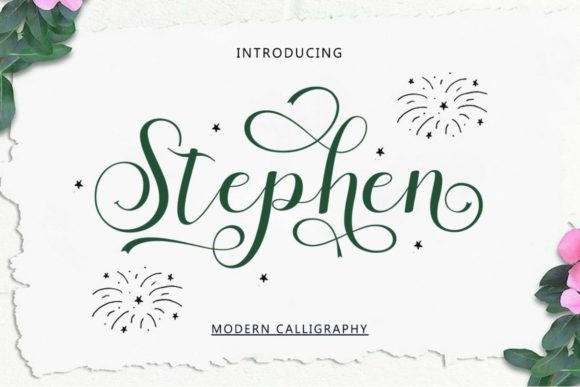
If you're looking for a font that blends elegance with modernity, Stephen is a perfect choice. This refined script font has quickly become a favorite among designers, marketers, and creators who value both aesthetics and functionality. With its smooth curves and balanced structure, Stephen brings a touch of sophistication to any project it's used in.
Stephen is not just another decorative typeface—it’s designed with versatility in mind. Whether you're crafting a logo, designing wedding invitations, or creating social media content, this font adapts beautifully to various applications. Its PUA encoding also makes it easy to access all the special glyphs and swashes, giving you more creative control without the hassle.
What Makes Stephen Stand Out?
The charm of Stephen lies in its clean yet expressive design. Unlike overly ornate scripts that can feel cluttered, Stephen maintains a sleek and professional look while still exuding warmth and personality. The letterforms are well-proportioned, ensuring readability even at smaller sizes, which is essential for digital use.
This font is especially appealing because it strikes the right balance between classic and contemporary. It works well in both traditional print formats and modern digital platforms, making it a go-to option for a wide range of creative professionals.
Why Choose Stephen for Your Projects?
If you're aiming to create something that feels exclusive, high-end, or personal, Stephen can help you achieve that goal. Here are some key reasons why people choose this font:
- Elegance and Refinement: The flowing lines and graceful shapes of Stephen give your designs an air of sophistication.
- Versatility: From branding materials to social media posts, Stephen can be adapted to fit a variety of styles and themes.
- Easy Customization: Thanks to its PUA encoding, users can easily access and apply special characters and swashes to enhance their typography.
- Professional Quality: Designed with attention to detail, Stephen ensures that your text looks polished and well-crafted no matter where it appears.
These qualities make Stephen particularly popular among small business owners, bloggers, and freelancers who want to stand out with visually appealing content without sacrificing clarity or professionalism.
Where Can You Use Stephen?
Stephen is incredibly versatile and can be applied across multiple domains. Here are some common uses that highlight its adaptability:
- Branding and Logos: The font's elegant style makes it ideal for creating logos that convey class and professionalism. It's especially effective for businesses in industries like fashion, beauty, or luxury goods.
- Wedding Invitations and Stationery: Stephen adds a romantic and timeless feel to wedding-related designs. Its soft curves and refined appearance are perfect for creating invitations, thank-you cards, and other stationery items.
- Social Media Posts: With its modern look, Stephen enhances the visual appeal of social media content. It's great for headlines, captions, and branded hashtags that need to catch attention quickly.
- Marketing Materials: Brochures, flyers, and promotional materials benefit from the sophisticated aesthetic of Stephen. It helps communicate a sense of quality and exclusivity.
- Personal Projects: Bloggers, artists, and hobbyists often use Stephen to add a personal touch to their work. It's suitable for anything from journaling to custom illustrations.
No matter what kind of project you're working on, Stephen offers a unique blend of style and usability that can elevate your design.
Getting Started with Stephen
If you're new to using Stephen, here are a few tips to help you get the most out of this font:
- Experiment with Swashes: Take advantage of the PUA encoding to explore different swash options. These variations can add character to your text without compromising legibility.
- Use It Sparingly: While Stephen is beautiful, it's best used in moderation. Overusing it can make your design look cluttered or unprofessional.
- Pair with Complementary Fonts: For larger projects, consider pairing Stephen with a sans-serif or serif font to create contrast and balance.
- Test on Different Surfaces: Make sure to preview how Stephen looks on both digital and print media. Some subtle adjustments may be needed to ensure optimal results.
By keeping these considerations in mind, you can ensure that your use of Stephen enhances rather than overwhelms your overall design.
Stephen is more than just a font—it's a tool that empowers creators to express themselves with elegance and confidence. Whether you're designing for a client, promoting your brand, or simply enjoying your creative process, Stephen offers a refined solution that meets both aesthetic and functional needs.