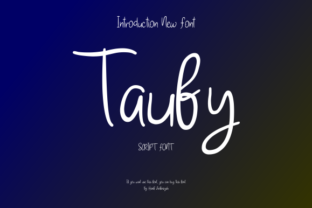
Taufy: A Versatile Script Font for Modern Design and Communication
Taufy is an elegant, full-featured script font designed to bring a touch of sophistication and personality to any project. Whether you're crafting marketing materials, designing digital content, or creating personal correspondence, Taufy offers a unique blend of style and functionality that can elevate your work. This article explores how Taufy fits into various workflows, its compatibility with other tools, and practical tips for integrating it seamlessly into your creative process.
Understanding Taufy and Its Role in Design
Taufy is more than just a font—it's a tool that enhances visual communication. With its flowing curves and carefully crafted alternate characters, it provides a level of detail and expressiveness that standard fonts often lack. The font includes a wide range of OpenType features, allowing users to access ligatures, stylistic alternates, and contextual forms that can significantly impact the aesthetics of text.
In design workflows, Taufy can be used at various stages. Before starting a project, designers might choose Taufy as part of their brand identity development. During the execution phase, it can be applied to headlines, logos, and call-to-action buttons. After completion, it can be used for final touches like social media posts or email signatures, ensuring consistency across all platforms.
Integrating Taufy into Your Workflow
Integrating Taufy into your workflow begins with understanding its capabilities and limitations. It's important to consider factors such as readability, scalability, and compatibility with different platforms and software. For instance, Taufy works well with Adobe Creative Suite, Microsoft Office, and many web-based design tools, making it accessible for both print and digital use.
Before using Taufy, take time to explore its features. Most font packages include a character map or OpenType panel that allows you to preview and select alternate characters. This step ensures that the font aligns with your design goals and maintains a professional appearance.
During the design process, consider how Taufy interacts with other elements. Pairing it with sans-serif fonts for body text can create a balanced look, while using it for headings can add visual interest. When working on projects that require multiple languages or scripts, ensure that Taufy supports the necessary characters and glyphs.
After completing a project, review the use of Taufy to maintain consistency. If you're managing multiple assets or collaborating with others, document the font usage so that everyone involved understands the guidelines. This practice helps avoid inconsistencies and ensures that the final product reflects the intended design.
Practical Implementation Tips
- Use OpenType Features: Take advantage of Taufy's alternate characters and ligatures to enhance the visual appeal of your text. These features can be accessed through font menus in design software.
- Test Readability: While Taufy is elegant, it's essential to ensure that it remains legible, especially in smaller sizes or when used for body text. Consider using it for headlines and subheadings instead.
- Ensure Compatibility: Verify that Taufy works across all platforms and devices where your content will be viewed. This includes checking how it renders on mobile screens and in different browsers.
- Stay Organized: Keep track of where and how Taufy is used throughout your projects. This organization helps streamline revisions and ensures that the font is applied consistently.
Use Cases for Taufy Across Different Industries
Taufy's versatility makes it suitable for a wide range of industries and applications. In marketing, it can be used for eye-catching headlines in advertisements, promotional materials, and social media campaigns. Its distinctive style helps brands stand out while maintaining a sense of professionalism.
For entrepreneurs and small business owners, Taufy can enhance branding efforts by adding a personal touch to websites, packaging, and customer communications. It’s also useful for creating unique email signatures that reflect a company's identity.
Educators and publishers can benefit from Taufy when designing educational materials, certificates, and course outlines. Its elegant appearance can make learning resources feel more engaging and visually appealing.
Freelancers and creatives may find Taufy particularly valuable for portfolio websites, client proposals, and creative briefs. It adds a layer of sophistication that can help showcase their work effectively.
Workflow Examples
- Brand Identity Development: Start by selecting Taufy as part of your brand's typography. Use it in logos, stationery, and website headers to establish a cohesive visual identity.
- Content Creation: Apply Taufy to headlines and subheadings in blog posts, articles, or newsletters. This approach draws attention to key points while maintaining readability.
- Marketing Materials: Incorporate Taufy into brochures, flyers, and banners to create a visually striking effect. Ensure that the font complements other design elements like images and colors.
- Client Communication: Use Taufy in emails, presentations, and reports to convey professionalism and attention to detail. This choice can leave a lasting impression on clients and stakeholders.
Long-Term Use and Quality Control
When considering long-term use of Taufy, it's important to evaluate its performance over time. Regularly review how the font is used across different projects to ensure that it continues to meet your needs. As your design requirements evolve, you may need to adjust how Taufy is applied or explore complementary fonts that offer similar styles.
Quality control is another crucial aspect of using Taufy consistently. Establish guidelines for font usage within your team or organization. This includes specifying which variations of the font are acceptable and ensuring that all members understand how to access and apply them correctly.
Additionally, keep an eye on updates and new versions of Taufy. Font developers often release improvements and additional features that can enhance your workflow. Staying informed about these updates helps you make the most of the font's capabilities.
Finally, consider how Taufy integrates with other tools and resources. Many design platforms and content management systems support custom fonts, making it easy to implement Taufy across multiple channels. By leveraging these integrations, you can maintain a consistent and polished appearance in all your projects.