Castle Combe: A Timeless Font for Elegant Design
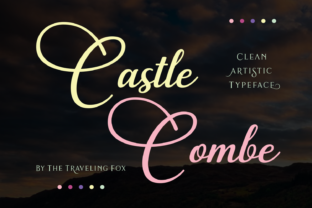
The Castle Combe font is a decorative, elegant script that has captured the hearts of designers and typographers alike. With its gorgeous capitals, stunning swashes, and clear, easy-to-read lowercase characters, it offers a unique blend of beauty and functionality. This font is not just another addition to your design toolkit; it's a versatile asset that can elevate any project with a touch of sophistication.
What Makes Castle Combe Stand Out?
At first glance, Castle Combe might seem like just another script font, but its distinct features set it apart from the rest. The capital letters are intricately designed, each one telling a story through its curves and flourishes. These capitals are not only visually appealing but also serve as focal points in any text they accompany.
The swashes in Castle Combe add an extra layer of elegance, making the font ideal for headings, logos, or any design where a touch of luxury is desired. Unlike some script fonts that can be difficult to read, Castle Combe maintains clarity even in its more ornate elements. The lowercase letters are connected and flow smoothly, ensuring readability without sacrificing style.
This combination of aesthetics and usability makes Castle Combe a go-to choice for both digital and print media. Whether you're designing a wedding invitation, a branding package, or a website header, this font brings a sense of refinement that is hard to achieve with other typefaces.
How to Use Castle Combe in Modern Design
In today's fast-paced design world, versatility is key. Castle Combe fits seamlessly into various projects due to its adaptability. It works particularly well in industries such as fashion, lifestyle, and hospitality, where visual appeal plays a significant role.
For example, if you're creating a brand identity for a boutique hotel, using Castle Combe in your logo and marketing materials can instantly convey a sense of charm and exclusivity. Its soft, flowing lines evoke a feeling of warmth and approachability, which is essential for hospitality brands.
In the realm of web design, Castle Combe can be used sparingly to highlight important sections or call-to-action buttons. However, it's crucial to ensure that the font doesn't overwhelm the user interface. Pairing it with a clean sans-serif font for body text ensures readability while maintaining an elegant aesthetic.
Graphic designers often use Castle Combe in illustrations, packaging, and editorial designs. Its ability to add a decorative touch without distracting from the content makes it a favorite among professionals looking to enhance their work with a personal flair.
Practical Benefits of Choosing Castle Combe
One of the most practical benefits of using Castle Combe is its ease of use. Unlike some highly stylized fonts that require careful spacing and kerning, Castle Combe is designed with readability in mind. This means that even novice designers can achieve professional results without extensive typographic knowledge.
Another advantage is the font's compatibility with modern design software. Whether you're working in Adobe Illustrator, Photoshop, or InDesign, Castle Combe integrates smoothly into these platforms. Additionally, many online tools and generators support this font, making it accessible to users who prefer digital workflows.
Considering the growing trend towards minimalism in design, Castle Combe offers a perfect balance between simplicity and sophistication. It allows designers to add a touch of character without overcomplicating the overall look. This makes it suitable for a wide range of applications, from business cards to social media graphics.
Common Considerations When Using Castle Combe
While Castle Combe is a beautiful and functional font, there are a few considerations to keep in mind when incorporating it into your designs. First, it's important to use it judiciously. Overusing a decorative font can lead to visual clutter, especially in long-form text. Reserve Castle Combe for headlines, titles, or short phrases to maintain a clean layout.
Second, pay attention to the contrast between Castle Combe and the background. If you're using it on a light-colored background, ensure that the font color provides sufficient visibility. Darker shades of ink or rich colors often work best to make the text stand out.
Lastly, consider the context in which you're using the font. While Castle Combe is versatile, it may not be the best choice for every project. For instance, it might not be suitable for technical documents or formal reports where a more traditional serif or sans-serif font would be more appropriate.
By keeping these factors in mind, you can ensure that Castle Combe enhances your designs rather than detracts from them.
Real-World Examples of Castle Combe in Action
To better understand how Castle Combe can be applied in real-world scenarios, let's take a look at a few examples. A popular use case is in event invitations. Imagine a wedding invitation where the name of the couple is written in Castle Combe. The elegance of the font immediately sets the tone for a special occasion, making the invitation feel more personal and heartfelt.
In the world of branding, a boutique clothing store might use Castle Combe for its logo and storefront signage. The font's graceful curves and ornate details create a luxurious feel that aligns perfectly with high-end fashion.
For digital projects, a lifestyle blog might incorporate Castle Combe in its headers and featured images. This adds a stylish element that complements the content, making the blog more visually engaging for readers.
These examples illustrate how Castle Combe can be adapted to different contexts while maintaining its core qualities of elegance and readability.
Tips for Getting the Most Out of Castle Combe
To maximize the impact of Castle Combe in your designs, consider experimenting with different weights and sizes. While the font is primarily known for its script style, variations in thickness can add depth and dimension to your work.
Another tip is to pair Castle Combe with complementary fonts. For instance, combining it with a modern sans-serif font can create a striking contrast that draws the eye. This technique is especially effective in multi-layered designs where visual hierarchy is important.
Finally, don't be afraid to play with spacing and alignment. Adjusting the leading (the space between lines of text) and tracking (the space between individual letters) can help improve legibility and overall composition.
By applying these tips, you can unlock new creative possibilities with Castle Combe and bring your designs to life in ways you never imagined.