Chesney: A Beautiful and Flowing Script Font for Creative Expression
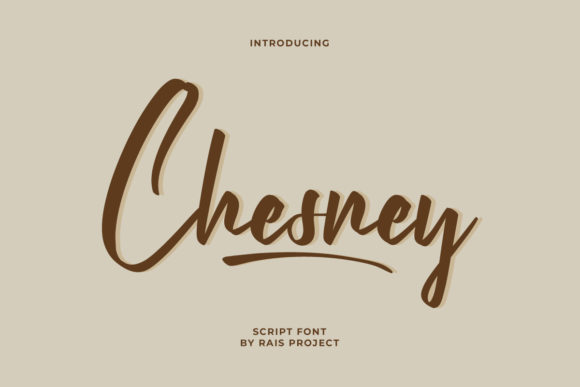
If you're looking for a script font that feels both elegant and approachable, Chesney is an excellent choice. With its smooth curves and graceful letterforms, Chesney brings a sense of personality and charm to any project. Whether you're designing a greeting card, branding your business, or creating custom labels, this font can elevate your work with minimal effort.
What Is Chesney?
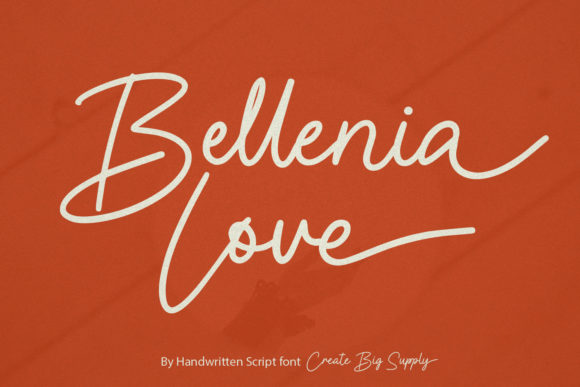
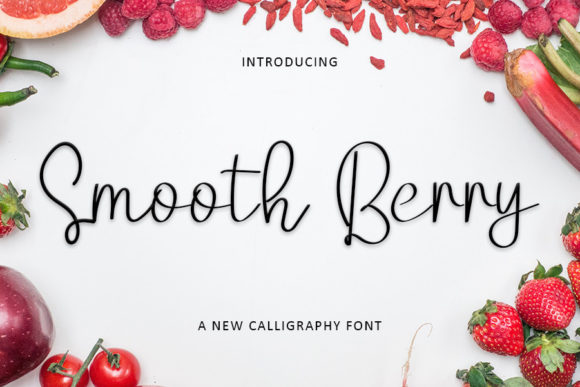
Chesney is a hand-drawn script font known for its flowing lines and natural appearance. Unlike more rigid or formal script fonts, Chesney has a relaxed, almost handwritten feel that makes it versatile for a wide range of uses. It's designed to look like it was written by hand, which adds warmth and authenticity to any design.
This font is ideal for those who want to add a personal touch to their projects without the complexity of more intricate or stylized scripts. Its readability is also a plus—despite being a script font, it remains legible even in smaller sizes, making it suitable for both print and digital formats.
Where to Use Chesney
Chesney’s versatility means it can be used in many different contexts. Here are just a few areas where it shines:
- Cards and Invitations: From birthday cards to wedding invitations, Chesney adds a warm, personal feel that paper-based designs often need. Its flowing style gives these items a more heartfelt and artistic look.
- Branding and Logos: Entrepreneurs and small business owners can use Chesney to create unique logos or brand elements that stand out. It works especially well for businesses with a creative, artisanal, or lifestyle-oriented image.
- Labels and Packaging: Chesney is great for product labels, packaging, or tags that require a touch of elegance. It helps products feel more handmade or bespoke, which can be a selling point in today’s market.
- Digital Content: Bloggers, content creators, and marketers can use Chesney in headers, titles, or social media posts to add visual interest. It pairs well with clean sans-serif fonts for a balanced look.
- Educational Materials: Teachers or educators might find Chesney useful for creating certificates, thank-you notes, or classroom materials that feel more engaging and personalized.
Why Choose Chesney Over Other Fonts?
While there are many script fonts available, Chesney stands out because of its balance between beauty and usability. It doesn’t have the overly ornate or difficult-to-read qualities that some other script fonts may have. This makes it accessible for both beginners and professionals alike.
Another benefit is its adaptability. Because it looks so natural, it can fit into a variety of design styles—from minimalist to bohemian. You don’t have to worry about it clashing with other elements in your design, as long as you pair it with complementary fonts and colors.
For someone who wants to express creativity without sacrificing clarity, Chesney is a smart choice. It allows you to make your message stand out while still being easy to read and understand.
Real-World Examples of Using Chesney
Let’s take a closer look at how different people might use Chesney in their daily work or hobbies:
Example 1: A Freelance Designer Creating a Brand Identity
A freelance designer working on a new brand identity might choose Chesney for the logo text. The font’s soft, flowing lines give the brand a friendly and professional look. It could be paired with a modern sans-serif font for headings and body text to maintain a clean layout.
Example 2: A Blogger Writing a Personal Style Blog
A blogger running a personal style blog might use Chesney for post titles or featured images. It adds a personal, handwritten feel that aligns with the blog’s aesthetic. When used sparingly, it can draw attention to key points without overwhelming the reader.
Example 3: A Small Business Owner Designing Product Labels
A small business owner selling handmade goods could use Chesney on product labels or packaging. It helps create a more artisanal and authentic look, which can appeal to customers who value craftsmanship and individuality.
Things to Consider Before Using Chesney
Before deciding to use Chesney in your next project, there are a few things to keep in mind:
- Legibility: While Chesney is readable, it’s not as clear as a standard sans-serif font. Make sure it won’t interfere with the message you’re trying to convey, especially if the text is small or in a busy design.
- Font Pairing: Chesney works best when paired with simpler, more structured fonts. Avoid using it with other script fonts unless you’re going for a specific, cohesive look.
- License and Usage Rights: Always check the license agreement for Chesney to ensure it’s appropriate for your intended use. Some fonts may have restrictions on commercial use or require attribution.
- Design Context: Think about the overall context of your design. Does the tone match what Chesney conveys? If you’re aiming for something very formal, a different font might be more appropriate.
By considering these factors, you can ensure that Chesney enhances your design rather than detracts from it.
Final Thoughts on Chesney
Chesney is more than just another script font—it’s a tool that can help bring your creative vision to life. Whether you’re crafting a greeting card, building a brand, or designing digital content, it offers a beautiful and functional way to express yourself.
Its natural, flowing style makes it perfect for adding a personal touch to any project. As long as you use it thoughtfully and consider the context of your design, Chesney can be a valuable asset in your creative toolkit.