Smooth Berry: A Playful Script Font for Creative Expression
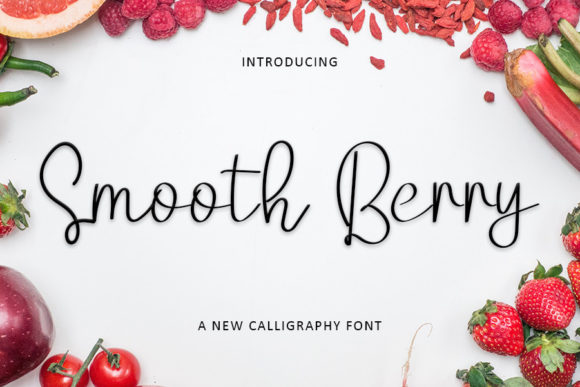
Smooth Berry is a script font that brings a sense of charm and whimsy to any design project. Its characters appear to dance along the baseline, creating a visual rhythm that feels both elegant and approachable. This font is ideal for those looking to add a touch of personality without overwhelming the viewer. Whether you're designing logos, invitations, or digital content, Smooth Berry offers a unique way to express creativity.
Understanding the Characteristics of Smooth Berry
At its core, Smooth Berry is a script font with a distinct style that sets it apart from other similar fonts. The letters are fluid and connected, giving them a natural, hand-written feel. However, unlike more casual cursive fonts, Smooth Berry maintains a level of consistency and readability that makes it suitable for a wide range of applications.
What makes Smooth Berry stand out is its balance between playfulness and professionalism. Each character flows smoothly into the next, creating a sense of motion that draws the eye across the text. This characteristic makes it particularly well-suited for headlines, titles, and other short-form text where visual impact is important.
Comparing Smooth Berry with Other Script Fonts
When considering script fonts, designers often have a variety of options to choose from. Some popular alternatives include Great Vibes, Pacifico, and Dancing Script. While these fonts also offer a stylish look, they each have their own unique characteristics that may make them more or less appropriate for certain projects.
- Great Vibes: This font has a more ornate and decorative feel, making it ideal for formal invitations or luxury branding. However, it may not be as readable in smaller sizes compared to Smooth Berry.
- Pacifico: Known for its soft, rounded curves, Pacifico is a good choice for casual designs. It shares some similarities with Smooth Berry but lacks the same level of dynamic movement.
- Dancing Script: As the name suggests, this font has a more exaggerated, dancing appearance. While it can be very expressive, it may not be as versatile as Smooth Berry for everyday use.
Smooth Berry strikes a middle ground between these options. It offers enough flair to make a statement but remains legible and adaptable. This makes it a great choice for projects that require a balance of style and clarity.
Strengths and Tradeoffs of Smooth Berry
One of the main strengths of Smooth Berry is its versatility. It can be used in a variety of contexts, from digital media to print. Its playful nature makes it an excellent fit for creative industries such as fashion, entertainment, and lifestyle brands. Additionally, its consistent baseline helps maintain a professional appearance even when used in longer passages of text.
However, like many script fonts, Smooth Berry may not be the best choice for all situations. For example, it may not be ideal for body text in long-form documents where readability is crucial. In such cases, a sans-serif or serif font would be more appropriate. Similarly, if a project requires a more formal or traditional aesthetic, another font might be a better fit.
Another consideration is the file format and availability. Smooth Berry is typically available in standard font formats such as TTF and OTF, which are widely supported by most design software. However, users should always check licensing agreements to ensure that they are allowed to use the font in their intended application.
Best-Fit Situations for Smooth Berry
Smooth Berry shines in situations where a designer wants to add a touch of personality without sacrificing readability. Here are some examples of where this font might be particularly effective:
- Headlines and Titles: The dynamic flow of Smooth Berry makes it perfect for grabbing attention in headlines or subheadings.
- Logos and Branding: Its unique character can help create a memorable brand identity, especially for businesses in creative or lifestyle sectors.
- Invitations and Cards: Whether it's a wedding invitation or a birthday card, Smooth Berry adds a charming and personal touch.
- Web Design: Used sparingly, Smooth Berry can enhance the visual appeal of websites, especially in call-to-action buttons or navigation menus.
These use cases highlight how Smooth Berry can be integrated into various design elements while maintaining a cohesive and appealing aesthetic.
When to Consider Alternatives
While Smooth Berry is a strong option for many projects, there are instances where another font might be more suitable. For example, if a project requires a high level of formality or needs to be accessible to a wider audience, a more conventional font may be necessary. In such cases, a clean sans-serif font like Helvetica or Arial could be a better choice.
Additionally, if a project involves a lot of body text, it's important to consider readability. Script fonts, including Smooth Berry, can be challenging to read in long paragraphs. Therefore, they should be used judiciously and paired with more readable fonts for body copy.
Designers should also consider the target audience when choosing a font. If the audience includes individuals who may have difficulty reading cursive-style fonts, a simpler typeface might be more appropriate.
Evaluating Smooth Berry for Your Project
When evaluating whether Smooth Berry is the right choice for your project, consider the following factors:
- Project Type: Is the font being used for a headline, logo, or body text? This will influence the suitability of Smooth Berry.
- Target Audience: Who is the intended audience for the project? A younger demographic may appreciate the playful nature of Smooth Berry, while a more mature audience might prefer a more traditional font.
- Readability Requirements: How important is readability in the context of the project? If the text needs to be easily understood at a glance, a more straightforward font may be preferable.
- Brand Identity: Does the font align with the brand's overall image and messaging? Smooth Berry can help reinforce a creative or fun brand personality.
By carefully considering these factors, designers can make an informed decision about whether Smooth Berry is the best fit for their project.
In conclusion, Smooth Berry is a versatile and expressive script font that can enhance a wide range of design projects. Its playful yet professional appearance makes it a valuable addition to any designer's toolkit. However, it's important to evaluate the specific needs of each project before deciding on the most appropriate font. By understanding the strengths and limitations of Smooth Berry, designers can make choices that best serve their creative vision and audience needs.