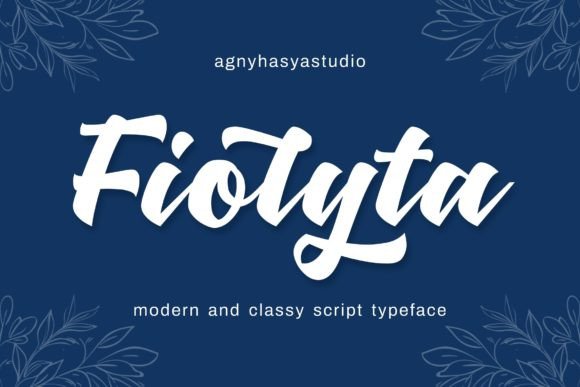
Fiolyta: A Modern and Classy Script Typeface for Design Projects
Fiolyta is a modern and classy script typeface font that offers designers a versatile tool for a wide range of creative projects. Its elegant curves and refined structure make it an appealing choice for those looking to add sophistication and style to their visual work. Whether you're designing logos, branding materials, or product packaging, Fiolyta provides a unique aesthetic that can enhance the overall look and feel of your designs.
This font is particularly well-suited for use in areas where a touch of elegance and professionalism is desired. It is PUA encoded, which means users can easily access all the glyphs and ligatures included in the font without needing additional software or tools. This feature makes it more accessible and user-friendly for both novice and experienced designers alike.
Why Consider Fiolyta for Your Design Projects
Designers may be drawn to Fiolyta for several reasons. Its clean lines and balanced proportions offer a contemporary yet timeless appearance that works well across various design disciplines. The font's versatility allows it to be used in both digital and print formats, making it suitable for a broad array of applications.
One of the key advantages of using Fiolyta is its ability to convey a sense of class and refinement. This makes it especially useful for projects such as wedding designs, fashion illustrations, and luxury branding, where the visual presentation plays a crucial role in communicating the brand's identity.
Additionally, the presence of numerous glyphs and ligatures enables designers to create more dynamic and visually engaging compositions. These features can be particularly beneficial when working on intricate layouts or when aiming to achieve a more personalized design outcome.
Benefits and Tradeoffs of Using Fiolyta
The primary benefit of Fiolyta is its aesthetic appeal and adaptability. It can be used effectively in a variety of contexts, from simple text elements to complex design compositions. Its PUA encoding also simplifies the process of accessing advanced typographic features, which can save time and effort during the design phase.
However, there are certain tradeoffs to consider. Like many script fonts, Fiolyta may not be the best choice for projects requiring high readability at smaller sizes or in long blocks of text. In such cases, a more legible sans-serif or serif font might be a better option.
Another consideration is the learning curve associated with utilizing the full range of glyphs and ligatures. While these features can enhance the visual quality of a design, they may require some experimentation and practice to master.
Situations Where Fiolyta Is a Strong Fit
Fiolyta is ideal for situations where a designer needs to create a visually striking and elegant composition. It is particularly effective in branding and advertising, where the goal is to capture attention and convey a sense of sophistication. Its use in magazine covers, book titles, and product packaging can help elevate the perceived value of the content or product.
In the realm of event design, Fiolyta can be used to create invitations, signage, and promotional materials that reflect a high level of detail and care. Similarly, in the world of photography and art, it can be used to complement images or add a stylish touch to captions and titles.
For personal projects such as stationery, labels, and art quotes, Fiolyta offers a way to express creativity while maintaining a professional appearance. Its ability to blend modern and traditional elements makes it a valuable asset for designers who want to stand out in a competitive market.
When Alternatives May Be Worth Considering
While Fiolyta has many strengths, there are scenarios where other fonts may be more appropriate. For instance, if a project requires a more casual or playful tone, a different script font or even a sans-serif typeface might be more suitable. In cases where legibility is a top priority, such as in body text or web content, a simpler font with clearer letterforms would be preferable.
Designers should also consider the context in which the font will be used. If the target audience is younger or prefers a more modern look, Fiolyta’s classic appeal may not align perfectly with their expectations. In such cases, exploring alternative fonts that better match the intended audience could lead to more effective results.
Ultimately, the decision to use Fiolyta should be based on the specific goals of the design project and the message that needs to be conveyed. By evaluating the font’s characteristics against the requirements of the project, designers can make informed choices that best serve their creative vision and objectives.