Gloritta: A Dazzling Script Font for Creative Projects
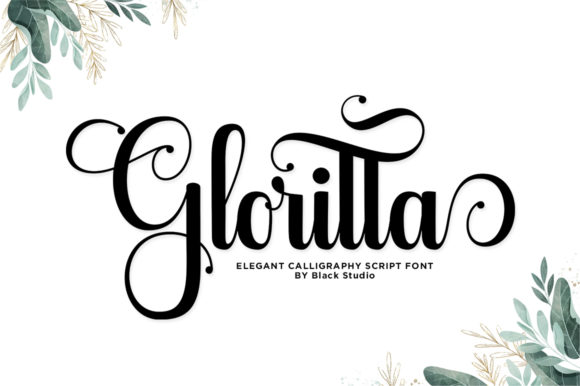
Gloritta is a script font that stands out with its intricate details and elegant design. This typeface is crafted to offer both visual appeal and versatility, making it a valuable addition to any designer’s toolkit. Its PUA (Private Use Area) encoding ensures that users can easily access a wide range of glyphs and swashes, enhancing the creative possibilities when using this font.
Understanding Gloritta
Gloritta belongs to the category of script fonts, which are typically used for headings, logos, and other design elements where a more artistic touch is desired. Unlike sans-serif or serif fonts that are more commonly used for body text, script fonts like Gloritta are best suited for short phrases or titles that require a decorative flair.
The font's detailed strokes and flowing lines give it a sophisticated look, making it ideal for projects that aim to convey elegance or creativity. Its design is carefully balanced between readability and style, ensuring that it remains legible even in its more ornate forms.
Why Consider Gloritta?
There are several reasons why someone might be interested in using Gloritta. First, its unique aesthetic can add a sense of sophistication to a project. Whether you're designing a wedding invitation, a brand logo, or a promotional poster, Gloritta can help elevate the overall look.
Second, the PUA encoding allows for greater customization. Users can access a variety of alternate characters and swashes without needing additional tools or software. This feature makes it easier to create visually striking compositions that stand out from the crowd.
Additionally, Gloritta's versatility means it can be used across various platforms and media. From print to digital, this font maintains its quality and consistency, making it suitable for both online and offline use.
Benefits and Tradeoffs
One of the main benefits of using Gloritta is its ability to enhance the visual appeal of a design. Its intricate details can make headlines or titles more engaging, drawing attention and creating a memorable impression. However, it's important to note that script fonts may not always be the best choice for long-form text due to their stylized nature.
Another benefit is the ease of access to special characters through PUA encoding. This feature allows designers to experiment with different variations of letters and symbols, leading to more dynamic and expressive designs. On the other hand, this level of customization may require some time and effort to master, especially for those who are new to working with script fonts.
While Gloritta offers a high degree of flexibility, it's essential to consider how well it fits within the broader design context. It may not be the best option for projects that require a more minimalist or modern approach, as its ornate style could clash with simpler layouts.
Situations Where Gloritta Is a Strong Fit
Gloritta is particularly well-suited for projects that require a touch of elegance and creativity. For example, it works exceptionally well for branding materials such as logos, business cards, and packaging designs. The font's detailed appearance can help convey a sense of luxury and refinement.
It is also an excellent choice for event-related materials like invitations, programs, and signage. The font's flowing lines and decorative elements can create a warm and inviting atmosphere, making it perfect for weddings, galas, and other special occasions.
In the world of graphic design, Gloritta can be used to create eye-catching headlines for websites, posters, and social media content. Its versatility allows it to blend seamlessly into both traditional and digital formats, making it a reliable asset for designers looking to add a personal touch to their work.
When Alternatives May Be Worth Considering
Despite its many advantages, there are situations where alternative fonts may be more appropriate. For instance, if a project requires clear and concise communication, a more straightforward font such as Arial or Helvetica might be a better choice. These fonts are designed for readability and are often preferred for body text in documents or web pages.
Additionally, if a design calls for a more modern or minimalistic aesthetic, a sans-serif or slab-serif font could provide a cleaner look. These fonts are less likely to overwhelm the viewer and can be more effective in certain contexts, such as academic papers or technical documentation.
Designers should also consider the audience they are targeting. If the goal is to appeal to a younger demographic or a more contemporary audience, a font with a more modern feel may be more appropriate than one with a classic or ornate style.
Practical Insights for Decision-Making
When deciding whether to use Gloritta, it's important to evaluate the specific needs of the project. Consider the message you want to convey and the overall tone of the design. If elegance and creativity are key factors, then Gloritta could be an excellent choice.
However, it's also crucial to test the font in different contexts before finalizing your decision. Experimenting with various layouts and color schemes can help determine how well Gloritta integrates into the overall design. It's also worth exploring other similar fonts to see which one best aligns with your vision.
Ultimately, the right font depends on the goals of the project and the preferences of the designer. By carefully evaluating the strengths and limitations of Gloritta, you can make an informed decision that enhances the quality of your work and meets the needs of your audience.