Small Kitchen: A Graceful Script Font for Creative Projects
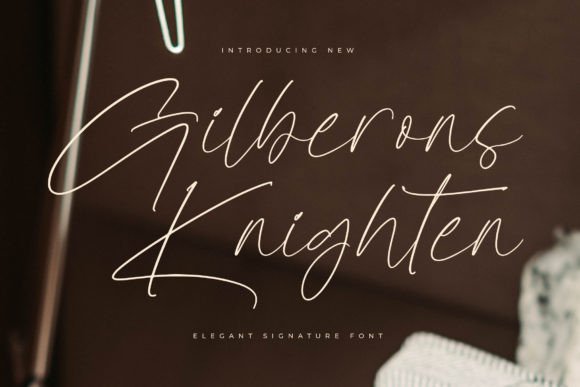
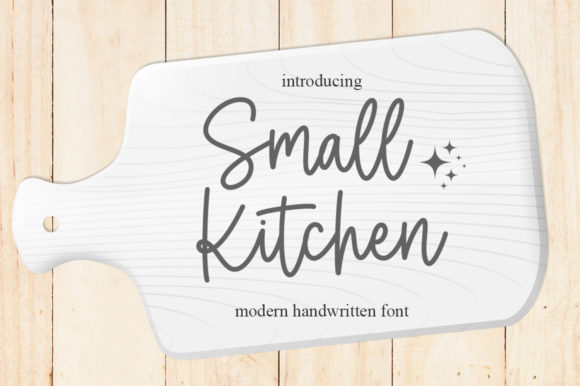
In the world of typography, finding a font that balances elegance with practicality can be challenging. Small Kitchen stands out as a unique option for designers and content creators who value both style and usability. This thin lettered and graceful script font is designed to add a touch of sophistication to any project, whether it's branding, editorial design, or digital content. Its trendy aesthetic makes it a popular choice among professionals looking to enhance visual appeal without sacrificing readability.
What Makes Small Kitchen Worth Considering?
Small Kitchen is more than just a pretty font—it’s a versatile tool that offers creative freedom while maintaining typographic integrity. The font's clean lines and subtle curves give it a modern yet timeless feel, making it suitable for a wide range of applications. From wedding invitations to website headers, Small Kitchen brings a sense of refinement to text-based designs.
One of its most notable features is its PUA (Private Use Area) encoding. This means users have easy access to a variety of glyphs and swashes, allowing for greater customization and expressive potential. Whether you're crafting a logo, designing a poster, or creating social media graphics, the ability to tweak individual characters adds a level of detail that can elevate your work.
Key Characteristics and Practical Value
The thin lettering of Small Kitchen gives it a delicate appearance that works well in both small and large formats. However, this also means that it should be used judiciously—especially in body text where legibility is crucial. When applied correctly, though, it can create a visually striking effect that draws attention and conveys personality.
Its graceful script style lends itself particularly well to headings, titles, and callout sections. It complements minimalist layouts and adds a human touch to otherwise sterile digital interfaces. For example, a blog post using Small Kitchen for subheadings can instantly feel more inviting and approachable.
The font’s trendy and stylish nature makes it ideal for brands aiming to stay current with design trends. In an era where aesthetics play a significant role in consumer engagement, having a font that aligns with modern sensibilities can be a strategic advantage.
Real-World Performance and Usability
When evaluating Small Kitchen, it's important to consider how it performs across different mediums and platforms. On digital screens, the font renders smoothly at various sizes, though it may require slight adjustments for optimal display on mobile devices. Print applications also benefit from its crisp edges and consistent weight, ensuring that printed materials maintain their intended visual impact.
For those who frequently use graphic design software like Adobe Photoshop, Illustrator, or Canva, the PUA encoding feature is a major plus. It allows for quick access to alternate characters, which can be especially useful when creating logos or custom illustrations. This level of control helps designers achieve a more personalized look without relying on external tools or plugins.
However, it's worth noting that due to its script nature, Small Kitchen may not be the best choice for long-form text. In such cases, pairing it with a more readable sans-serif or serif font can help maintain clarity and prevent reader fatigue.
Who Benefits Most from Small Kitchen?
Small Kitchen appeals to a diverse audience, including:
- Designers seeking to add a touch of elegance to their projects.
- Marketers looking to create eye-catching headlines and promotional materials.
- Bloggers and content creators who want to enhance the visual appeal of their articles.
- Entrepreneurs developing brand identities that stand out in a crowded market.
- Freelancers needing a reliable font for client deliverables and presentations.
These individuals often need a font that combines creativity with functionality. Small Kitchen meets these needs by offering a blend of artistic flair and practicality, making it a valuable addition to any designer's toolkit.
Evaluating Quality and Long-Term Value
The quality of Small Kitchen is evident in its consistent stroke weights and smooth transitions between letters. These characteristics contribute to a polished appearance that enhances the overall professionalism of any design. Additionally, the font's reliability across different platforms ensures that it remains a dependable resource for both personal and commercial projects.
From a long-term perspective, investing in a font like Small Kitchen can provide ongoing value. As design trends evolve, having access to a font that remains relevant and adaptable is crucial. Its versatility ensures that it can be repurposed for new projects, reducing the need for frequent font purchases.
While it may not be suitable for every situation, Small Kitchen demonstrates strong performance in scenarios where visual impact is key. Its ability to convey emotion and personality through typography makes it a compelling choice for those who prioritize aesthetics in their work.
Possible Limitations and Recommendations
No font is perfect, and Small Kitchen has certain limitations that users should be aware of. As mentioned earlier, its script style may not be appropriate for extended reading. Designers should avoid using it for body text or in situations where maximum readability is required.
Additionally, because it's a script font, it may not integrate seamlessly with all typefaces. Careful pairing with complementary fonts is essential to ensure a cohesive visual hierarchy. Experimentation with spacing, leading, and contrast can help achieve the desired balance.
To maximize the effectiveness of Small Kitchen, consider using it in conjunction with other fonts that offer better legibility for larger blocks of text. This approach maintains the font's stylistic advantages while ensuring that the overall design remains accessible and functional.
Overall, Small Kitchen is a well-crafted font that offers a unique combination of elegance and utility. By understanding its strengths and limitations, designers can make informed decisions about when and how to use it effectively in their projects.